

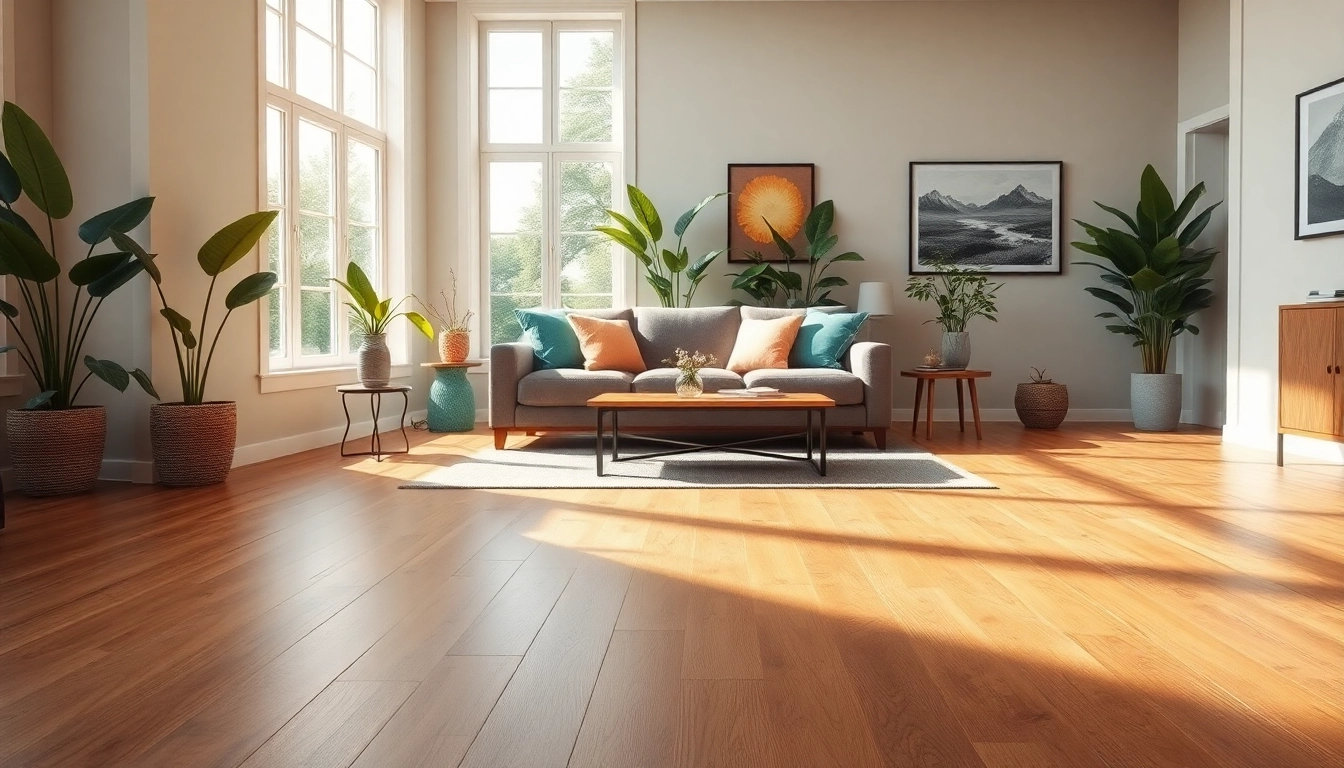
Selecting the right flooring for your home can transform your living space, enhancing its aesthetic appeal while ensuring durability and function. With an array of choices available, from the timeless charm of hardwood to the practical benefits of laminate, tile, and vinyl, understanding your options can help you make an informed decision. This comprehensive guide takes you through the different types of flooring, how to choose the best fit for your needs, installation methods, maintenance tips, and answers to common questions related to flooring choices.
Understanding Flooring Types
Hardwood Flooring: Timeless Elegance
Hardwood flooring remains a classic choice in home design. Known for its natural beauty and warmth, hardwood brings elegance and value to any space. Available in various species, including oak, maple, and cherry, hardwood flooring offers numerous finishes and styles ranging from smooth and sleek to distressed and rustic. A standout feature of hardwood is its longevity; with proper care, it can last for decades.
Additionally, hardwood can be refinished multiple times, allowing it to maintain its luster and appeal throughout its life span. Its natural insulating properties make it a comfortable choice, particularly in cold climates. However, it is important to consider factors such as susceptibility to scratches, humidity, and sunlight, which can affect its appearance over time.
Laminate Flooring: Affordable Versatility
Laminate flooring is a practical alternative to hardwood, offering a wide range of styles designed to mimic the look of wood, stone, or tile. Its construction consists of several layers, including a high-density fiberboard core and a protective outer layer. This design gives laminate its remarkable durability, making it highly resistant to scratches, dents, and moisture.
One of the main advantages of laminate flooring is its affordability—ideal for budget-conscious homeowners. Modern designs have significantly improved the aesthetic appeal of laminate, allowing it to seamlessly blend with various interior styles. Furthermore, laminate is easy to clean and maintain, making it a popular choice for households with pets and children.
Tile and Vinyl: Durable Solutions
Tile flooring, made from ceramic or porcelain, excels in areas that require waterproof surfaces, such as kitchens and bathrooms. Tile is available in various colors, sizes, and textures, allowing homeowners to mix and match to create unique designs. Its durability makes it resistant to wear, stains, and moisture, ensuring long-lasting beauty.
Vinyl flooring comes in sheets, tiles, or planks and offers affordable options for homeowners seeking a water-resistant surface. Advances in technology have enabled vinyl to mimic the appearance of natural materials while remaining budget-friendly. Vinyl is soft underfoot and is available in a range of designs and colors. Additionally, it is easy to install and maintain, making it a practical choice for many families.
How to Choose the Best Flooring for Your Needs
Assess Your Space: Lifestyle Considerations
Before selecting flooring, consider your lifestyle and the specific needs of your space. High-traffic areas, such as hallways or living rooms, may benefit from durable materials like tile, vinyl, or laminate. Conversely, bedrooms may be more suited to cozy and warm hardwood flooring.
If you have children or pets, selecting a flooring option that is resistant to scratches, stains, and moisture is essential. Understanding how much wear and tear your flooring will endure will guide your choice significantly, ensuring it remains functional and visually appealing for years to come.
Evaluate Maintenance Requirements
Each flooring type comes with its maintenance requirements. Hardwood generally requires regular polishing and refinishing every few years, while laminate should be cleaned with a damp cloth and gentle cleaners. Tile may require periodic grout cleaning to maintain its appearance.
Vinyl flooring offers straightforward maintenance, needing only routine sweeping and mopping. Assessing the level of upkeep you are willing to commit to will influence which flooring option aligns best with your lifestyle.
Consider Budget and Aesthetics
Flooring costs can vary widely. Hardwood tends to be on the higher end, whereas laminate and vinyl can fit within a tighter budget. Consider the long-term investment versus upfront costs, keeping in mind the potential for added home value with hardwood flooring.
Aesthetics play a crucial role in your final decision as well. Consider how different materials and finishes will complement your furniture and wall colors. It’s advisable to acquire samples to visualize how the flooring looks in your space under different lighting conditions.
Installation Methods for Various Floorings
Glue-Down vs. Floating Flooring
Understanding installation methods is key to ensuring your flooring is laid properly. Glue-down installation is common for hardwood and some types of vinyl and involves adhering the flooring directly to the subfloor. This method provides stability and is advisable in high-traffic areas.
Floating flooring, on the other hand, is commonly used for laminate and some vinyl materials. This technique involves interconnecting planks without glue for easier installation and removal. Floating floors expand and contract with changes in temperature, making them less prone to warping.
Hiring Professionals vs. DIY
Consider your comfort level with DIY projects when deciding whether to hire professionals for installation. Professional installers bring expertise, ensuring proper measurements and techniques, reducing the risk of mishaps. However, if you have experience and wish to save on costs, many flooring types, such as laminate and vinyl, are specifically designed for DIY installation.
Verify warranty conditions; improper installation could void certain flooring guarantees, emphasizing the need for qualified workmanship in complex installations.
Tools and Materials Needed for Installation
Regardless of whether you choose a DIY route or hire professionals, proper tools and materials are critical for a successful flooring installation. Commonly required tools include a saw, measuring tape, hammer, rubber mallet, and a level.
In addition to tools, adequate underlayment is crucial for laminate and hardwood flooring to provide cushioning and sound absorption. Ensure you gather all necessary materials before starting installation to streamline the process.
Maintenance Tips for Long-lasting Flooring
Regular Cleaning Routines
Implementing a regular cleaning routine is essential to maintaining flooring. Sweep or vacuum regularly to remove dirt and debris, and utilize appropriate cleaning solutions for specific flooring types. For instance, hardwood floors thrive on minimal moisture, while tile can benefit from deeper cleans using specialized grout cleaners.
Establishing a cleaning schedule can significantly extend the life and beauty of your flooring, making it look new for years to come.
Seasonal Care: Protecting Your Flooring
Seasonal changes can impact your flooring, particularly with hardwood. In winter, humidity levels often drop significantly, leading to the potential for cracks. Use a humidifier during these months to prevent excessive drying.
In high summer, excessive humidity can lead to warping. Ensure good ventilation in rooms with hardwood to prevent moisture build-up. For tile and vinyl, be sure to check for wear from UV exposure and apply appropriate sealants when necessary.
Common Mistakes to Avoid
Homeowners should be wary of common maintenance mistakes that can compromise flooring integrity. Over-saturating hardwood with water can lead to damage, while neglecting to clean spills on laminate can result in long-lasting stains. Using the wrong cleaning agents can also damage certain materials—be sure to read care recommendations thoroughly.
Lastly, avoid dragging heavy furniture across any type of flooring. Instead, use furniture pads or lift when moving items to prevent scratches and dents.
FAQs About Flooring Choices
What type of flooring is best for high traffic areas?
Laminate and tile flooring are ideal for high traffic areas due to their durability and resistance to scratches and stains. They offer easy maintenance and can withstand heavier foot traffic better than some softer materials.
How can I maintain my hardwood flooring?
Regularly dust and vacuum your hardwood floors to prevent dirt buildup. Use a damp mop with a wood-friendly cleaner and avoid excess moisture to maintain their beauty. Refinish surfaces every few years as needed.
What is the average lifespan of laminate flooring?
Laminate flooring typically lasts between 15 to 25 years, depending on the quality of the material and how well it is maintained. High-quality laminate may even outlast lower-quality options significantly.
Can I install new flooring over the existing floor?
In many cases, yes. Installing new flooring over existing surfaces is possible, especially with laminate and vinyl. Ensure the existing floor is level and secure, and adhere to manufacturer guidelines for best results.
What is the most eco-friendly flooring option?
Bamboo flooring is considered one of the most eco-friendly options due to its rapid growth and renewable nature. Additionally, reclaimed wood or flooring made from recycled materials offers sustainable alternatives.