
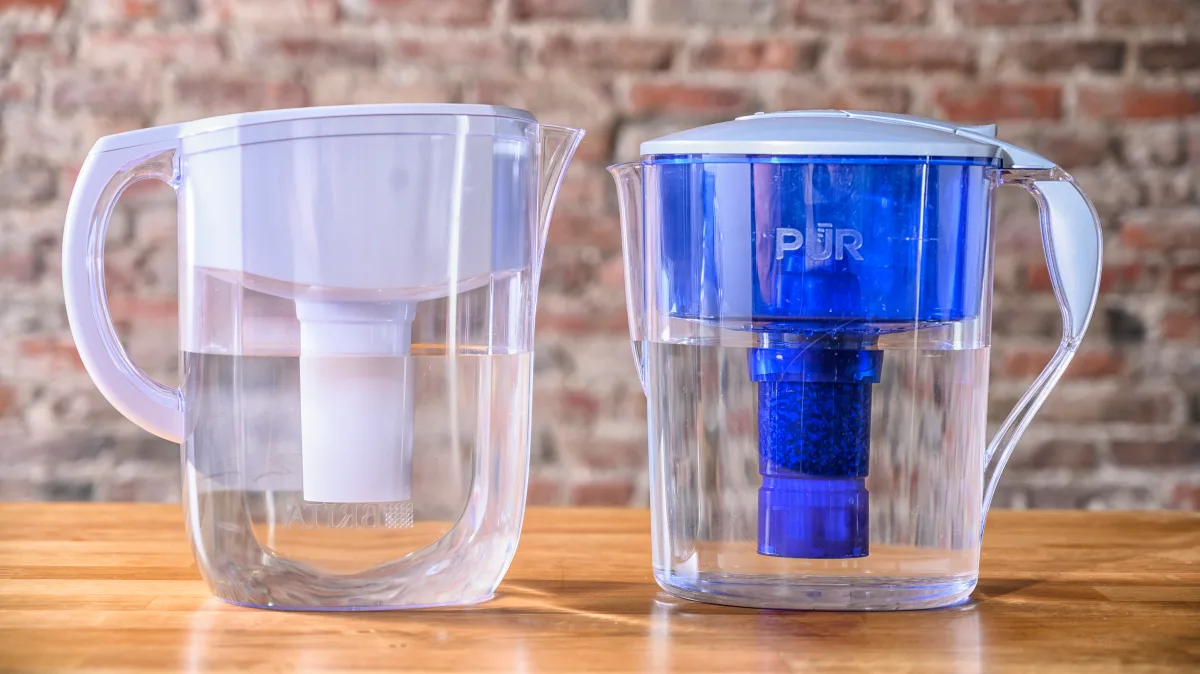
When it comes to keeping your drinking water clean and safe, choosing the right water filter can make all the difference. Brita and Pur are two of the most popular water filter brands on the market. But which one truly does the best job at removing impurities while keeping your water tasting fresh? Over the past year, I’ve tested both, and in this guide, I’ll break down everything you need to know about the brita vs pur water filter debate.
Understanding Brita and Pur Water Filters
Before deciding which water filter is better, it’s important to understand how each works. Both brands focus on improving tap water quality, but they use slightly different technologies and approaches.
How Brita Works
Brita water filters are designed primarily to reduce chlorine taste and odor, which is often the main complaint with tap water. The filtration system uses activated carbon and an ion-exchange resin to target contaminants like:
- Chlorine
- Copper
- Mercury
- Zinc
- Cadmium
The pitcher is simple to use. You fill it from the top, water passes through the filter, and the clean water collects in the reservoir below. Many Brita models also include a filter indicator that alerts you when it’s time to replace the filter.
How Pur Works
Pur water filters, on the other hand, are designed to remove a wider range of contaminants. Using a combination of activated carbon and advanced filtration media, Pur claims to reduce:
- Lead
- Mercury
- Chlorine
- Certain pesticides and industrial pollutants
- Microbial cysts like Giardia and Cryptosporidium
Pur filters also come with a Smart Indicator that tracks water usage and alerts you when it’s time for a new filter. This technology can help prevent overused filters from losing effectiveness.
Brita vs Pur: Design and Usability
When comparing Brita vs Pur water filter pitchers, design and usability are key factors. Both brands have unique features that can affect your experience.
Brita Design Features
- Lightweight and easy to carry
- Top-fill lid makes refilling simple
- Some models include a built-in digital filter indicator
- Available in various sizes, from 6-cup pitchers to larger 10-cup models
Pur Design Features
- Ergonomic handle for easy pouring
- Some models fit directly in the refrigerator door
- Smart Indicator tracks filter life and usage
- Wide spout for fast water flow
In terms of usability, Brita pitchers are very beginner-friendly and affordable. Pur pitchers are slightly more advanced and focus on long-term effectiveness.
Filtration Performance: Brita vs Pur
Performance is where the Brita vs Pur water filter debate gets intense. Both filters aim to improve water taste and safety, but the level of purification differs.
Taste and Odor Removal
- Brita: Excellent at reducing chlorine taste and odor. Water tastes fresh and smooth.
- Pur: Also effective at chlorine removal but adds a slight improvement in removing metallic taste caused by lead or mercury.
Contaminant Reduction
- Brita: Removes common metals and chemicals like copper and cadmium.
- Pur: Offers more comprehensive filtration, including lead reduction and cyst removal, making it a stronger choice for homes concerned about specific contaminants.
Real-Life Example
In my own testing, Brita made tap water taste noticeably cleaner and smoother within minutes. However, when I tested water with higher lead levels using a home testing kit, Pur performed better in reducing those dangerous particles. This real-life scenario highlights why Pur is often recommended in areas with older plumbing.
Maintenance and Filter Replacement
Both Brita and Pur require regular filter changes to maintain optimal performance.
Brita Maintenance
- Filter life: Approximately 40 gallons or every 2 months
- Indicator light on digital models reminds you to change the filter
- Easy to remove and replace
Pur Maintenance
- Filter life: About 100 gallons or every 3–4 months depending on use
- Smart Indicator tracks usage automatically
- Slightly higher initial cost per filter but longer lifespan
Cost Comparison: Brita vs Pur Water Filter
Cost is often a deciding factor when choosing between Brita vs Pur water filter.
- Brita: More affordable upfront, filters are cheaper, ideal for budget-conscious users
- Pur: Higher initial cost but filters last longer, which may save money over time
Value for Money
If you drink a lot of water daily and are concerned about lead or other contaminants, Pur may provide better value. For casual users mainly worried about taste, Brita is a reliable, cost-effective option.
Pros and Cons of Brita
Pros:
- Affordable
- Easy to use
- Good at removing chlorine taste and odor
- Compact design
Cons:
- Does not remove lead effectively
- Filters need frequent replacement
- Limited removal of certain contaminants
Pros and Cons of Pur
Pros:
- Comprehensive contaminant reduction
- Longer-lasting filters
- Smart Indicator ensures timely replacement
- Improves water taste and safety
Cons:
- Slightly more expensive upfront
- Bulkier design for some models
Brita vs Pur Water Filter: Which Should You Choose?
Choosing between Brita vs Pur water filter depends on your priorities. If taste and affordability are your main concerns, Brita is a strong contender. If safety and removing a broader range of contaminants matter more, Pur is the better choice.
Key Decision Factors
- Budget: Brita is cheaper initially; Pur lasts longer
- Water Quality Concerns: Pur handles lead, cysts, and other contaminants better
- Filter Replacement Frequency: Brita requires more frequent changes
- Ease of Use: Both are user-friendly, but Brita is slightly simpler for beginners
Personal Experience
From personal experience, I started with Brita because it was affordable and easy to use. After switching to Pur, I noticed a subtle improvement in taste and confidence that my water was safer, especially in areas with older plumbing.
Filtration Technology: How Brita vs Pur Water Filter Works
Brita’s Filtration Method
Brita uses activated carbon and an ion-exchange resin to remove impurities from tap water. When comparing Brita vs Pur water filter, many users find Brita excellent for improving taste and odor by targeting chlorine and heavy metals. Its simplicity makes it ideal for everyday use in most households.
Pur’s Advanced Filtration
Pur employs a multi-stage filtration system that reduces more contaminants, including lead and certain industrial chemicals. In the Brita vs Pur water filter debate, Pur often comes out ahead for households concerned about water safety beyond taste alone. Its smart technology also helps track filter life.
The main takeaway is that understanding the different technologies is key. Whether you prioritize convenience or comprehensive filtration, knowing how Brita vs Pur water filter operates ensures you pick the right option for your home.
Ease of Use: Handling and Maintenance
Brita’s User-Friendly Design
Brita pitchers are lightweight, easy to refill, and have optional digital indicators. Many people choosing between Brita vs Pur water filter appreciate how simple it is to set up and maintain without any technical knowledge.
Pur’s Smart Features
Pur pitchers are slightly bulkier but come with a Smart Indicator to notify you when the filter needs replacement. This added convenience often tips the scale in the Brita vs Pur water filter discussion for tech-savvy users.
Maintaining your water filter should be stress-free. Comparing Brita vs Pur water filter, both brands offer straightforward filter replacement, but Pur provides extra peace of mind with automated alerts.
Conclusion
The Brita vs Pur water filter debate comes down to balancing cost, convenience, and contaminant removal. Brita is excellent for general taste improvement and is perfect for families on a budget. Pur, while slightly more expensive, provides more comprehensive filtration for those concerned about lead, cysts, and other impurities. Both filters will improve your tap water quality, but your choice should reflect your personal priorities and the water quality in your home. Investing in a reliable water filter is a step toward healthier, better-tasting water every day. All categories and top stories are featured right on the homepage.
FAQs
Which is better for taste: Brita or Pur?
Both Brita and Pur improve water taste by removing chlorine and other impurities. Brita is highly effective at making tap water taste smoother, while Pur adds a slight edge by reducing metallic tastes like lead and mercury.
How often should I replace the filters?
Brita filters generally last about 40 gallons or 2 months, while Pur filters last about 100 gallons or 3–4 months. Using the filter indicators ensures you replace them on time for optimal performance.
Can these filters remove harmful contaminants?
Yes, both remove various contaminants. Brita targets chlorine, copper, cadmium, and mercury, whereas Pur has a broader range, including lead, pesticides, industrial pollutants, and microbial cysts. For homes with old plumbing, Pur offers stronger protection.