
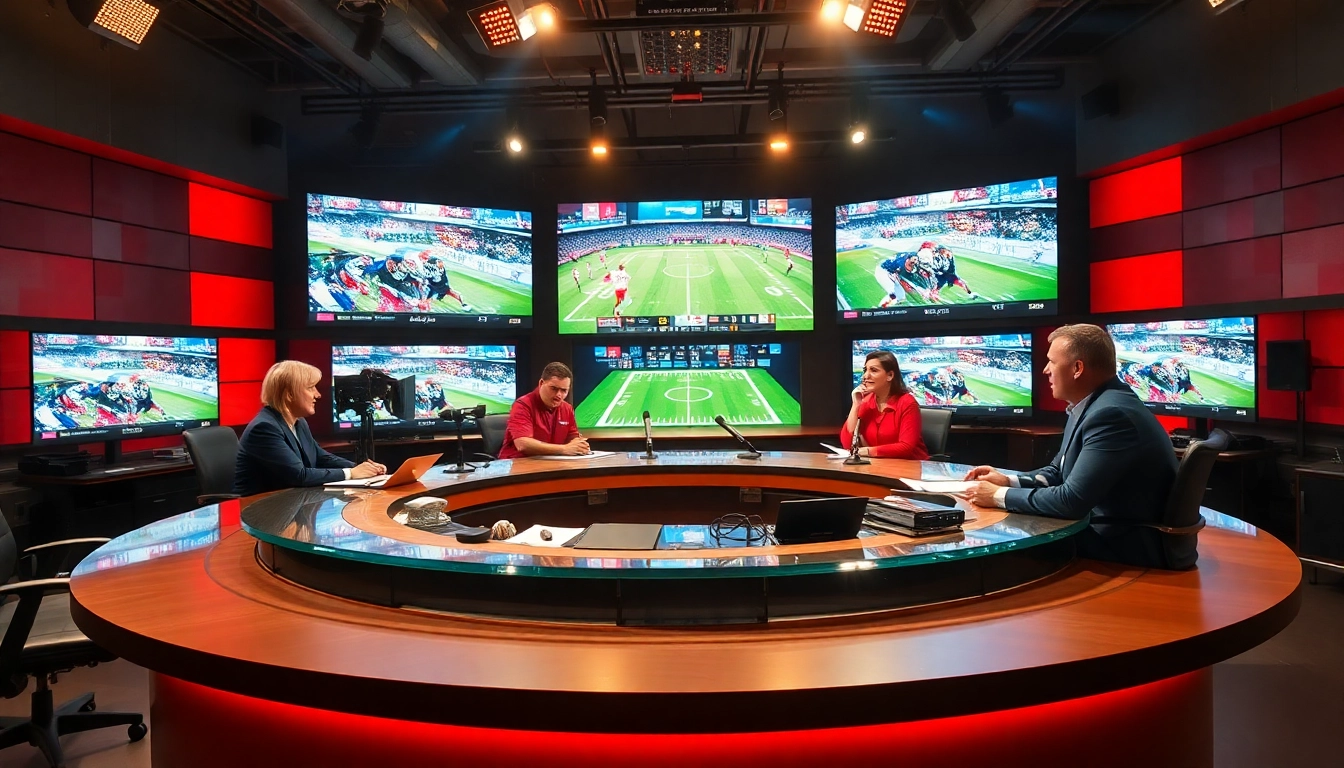
Introduction to Sports Broadcasting
Definition and Importance
Sports Broadcasting refers to the live and recorded dissemination of sports events through various media channels, including television, radio, and the internet. The importance of Sports Broadcasting cannot be overstated; it serves as a vital link between athletes and fans, allowing millions to experience live events and enhances the visibility and financial viability of many sports. Moreover, understanding how to effectively harness the capabilities of Sports Broadcasting can lead to greater engagement and more vivid experiences for the audience. For a deeper dive, you can refer to Sports Broadcasting resources that provide insights into trends and techniques driving the industry.
History of Sports Broadcasting
The history of Sports Broadcasting dates back to the early 20th century. The first radio broadcast of a sporting event occurred in 1921, featuring a boxing match between Jack Dempsey and Georges Carpentier. As technology advanced through the decades, television emerged as the dominant medium in the 1950s and 60s, showcasing landmark events such as the Olympics. Over the years, Sports Broadcasting has transformed dramatically, evolving into a multi-platform experience fueled by digital innovations and changing audience expectations. Each breakthrough has not only changed how the games are presented but also the nature of fan engagement.
Key Stakeholders in Sports Broadcasting
Numerous key stakeholders influence the Sports Broadcasting landscape. They include:
- Sports Entities: This includes leagues, teams, and athletes who produce and own the content.
- Broadcasters: Television networks and online platforms that transmit the events to viewers.
- Advertisers: Brands looking to reach audiences through strategic ad placements during broadcasts.
- Technology Providers: Companies who supply the equipment necessary for high-quality broadcasting.
- Viewers: The ultimate consumers whose preferences shape the offerings.
Technologies Shaping Sports Broadcasting
Live Streaming Innovations
Live streaming has revolutionized how fans access sports content. Platforms like YouTube, Twitch, and dedicated streaming services enable live broadcasts to reach broader audiences. Advances in bandwidth and the proliferation of smart devices have empowered sports leagues to broadcast games directly to fans. Features like multi-camera views, real-time statistics, and personalized content elevate the viewer experience, making them feel more connected to the action on the field. Additionally, from the perspective of revenue generation, live streaming opens new avenues for monetization through subscriptions, ads, and pay-per-view options.
Role of Social Media in Broadcasting
Social media platforms have emerged as powerful tools for Sports Broadcasting, providing real-time highlights and updates that complement traditional coverage. Fans engage with teams and athletes directly, sharing their opinions and reactions instantly. Platforms like Twitter and Instagram function as informal broadcasting channels, giving rise to trends, hashtags, and user-generated content that amplify the reach of sports events. This two-way communication fosters a sense of community and engagement, encouraging fans to participate actively in the conversation surrounding their favorite teams.
Advances in Broadcasting Equipment
The broadcasting equipment used in Sports Broadcasting has seen significant advancements that enhance quality and accessibility. High-definition and 4K cameras capture events with remarkable detail, while drones and specialized tracking systems provide unique angles never before seen in live sports. Additionally, the integration of augmented reality (AR) and virtual reality (VR) enables broadcasters to create immersive experiences, allowing viewers to feel as if they are part of the event. These technologies not only improve the viewer’s experience but also set new standards for production quality.
Understanding Audience Engagement in Sports Broadcasting
How to Analyze Audience Preferences
To effectively engage audiences, sports broadcasters need to understand their preferences. Analyzing viewership data, social media interactions, and survey feedback can provide valuable insights into what fans want to see. Data analytics tools help identify peak viewing times, popular content types, and demographic trends. Signals from audience engagement on social platforms can also inform content strategies, ensuring that broadcasters cater to their audience’s needs and expectations while adapting to the evolving landscape.
Strategies for Effective Interaction
Engaging with the audience goes beyond just broadcasting a game. Broadcasters can leverage multiple platforms to foster interaction, such as live tweeting during game broadcasts or hosting live Q&A sessions with athletes. Polls, contests, and interactive games enhance fan involvement, while behind-the-scenes content helps personalize the experience, giving fans a deeper appreciation of what goes into each event. Building a community around the broadcast not only retains existing viewers but also attracts new fans who feel invested.
Metrics for Measuring Engagement
Understanding the impact of engagement efforts is crucial for broadcasters. Metrics such as viewer ratings, social media engagement rates, and website traffic provide a comprehensive picture of audience involvement. Tools like Google Analytics can illuminate user behavior on sports-related websites, while social listening tools help gauge audience sentiment. Incorporating audience feedback and continuously tracking these KPIs guide future strategies and operational improvements, ensuring that broadcasters align with viewer expectations.
Content Strategies for Successful Sports Broadcasting
Creating Compelling Show Formats
The format of a show plays a pivotal role in its success. Bringing variety to programming by mixing traditional broadcasts with features such as analyst discussions, fan interviews, and highlight reels can captivate different segments of the audience. Consider thematic content around major events, players, or seasons, establishing recurring segments that fans can look forward to. By experimenting with different show formats, broadcasters can discover which resonates best and drive viewer loyalty.
The Art of Storytelling in Sports
Storytelling is a powerful tool in Sports Broadcasting. Crafting narratives around athletes, teams, and historic events can elevate the viewing experience. Consider how the human element—overcoming adversity, rivalries, or personal journeys—piques interest and fosters emotional connections with the audience. Effective storytelling often includes segments like profile pieces or retrospective analyses that provide context and depth, enriching the broadcast beyond just the gameplay.
Engaging with Fans Through Interactive Content
In today’s interactive landscape, engaging fans through innovative content is essential. Digital platforms allow broadcasters to create polls, quizzes, and contests that encourage fans to participate beyond passive viewership. Apps that let fans vote on the “player of the game” or play fantasy sports can significantly enhance the overall experience. Embracing user-generated content, such as fan-captured videos or photos shared through social media, fosters a sense of ownership and belonging among the audience.
The Future of Sports Broadcasting
Predicted Trends and Changes
The future of Sports Broadcasting is poised for further transformation. We may witness an increase in personalized viewing experiences through artificial intelligence that tailors content to individual preferences. The trend towards immersive experiences is likely to grow, with more broadcasts incorporating VR technology for fans unable to attend live events. Additionally, the further integration of blockchain technology could redefine rights management, enhancing transparency in the sports industry.
Ethical and Legal Considerations
As Sports Broadcasting evolves, it brings ethical and legal challenges that need addressing. Issues such as data privacy, content ownership, and broadcasting rights require urgent attention. Broadcasters must navigate laws concerning digital content distribution and ensure compliance with regulations, especially when reaching international audiences. Ethical considerations around representation, inclusivity, and responsible reporting are also paramount, as they shape the public’s perception of the sports media landscape.
Preparing for New Technologies
Adapting to technological advancements is vital for Sports Broadcasting entities. Investing in training for personnel to utilize new broadcasting tools effectively can bridge the skills gap as techniques evolve. Collaborating with tech innovators will ensure that broadcasters remain at the forefront of emerging trends. Furthermore, maintaining flexibility in content strategies will empower organizations to pivot quickly to seize opportunities presented by new technologies.
Frequently Asked Questions
What is Sports Broadcasting?
Sports Broadcasting involves the transmission of live or recorded sports events through television, radio, and online platforms, allowing fans to experience the excitement from anywhere.
How has technology changed Sports Broadcasting?
Technology has transformed Sports Broadcasting with live streaming, advanced graphics, and interactivity, enhancing viewer engagement and experience like never before.
Why is audience engagement important in Sports Broadcasting?
Audience engagement is critical for retention and loyalty. It fosters deeper connections between fans and content, encouraging ongoing participation and viewership.
How do broadcasters measure audience engagement?
Broadcasters measure audience engagement through metrics such as viewer ratings, social media interactions, and website traffic to understand better their audience’s preferences and behavior.
What trends should we expect in the future of Sports Broadcasting?
Future trends may include personalized viewing experiences, immersive technologies like VR, and increased focus on ethical and legal standards in the industry.